
Submit Ancient World Esim The Cryptochronometric Paradox
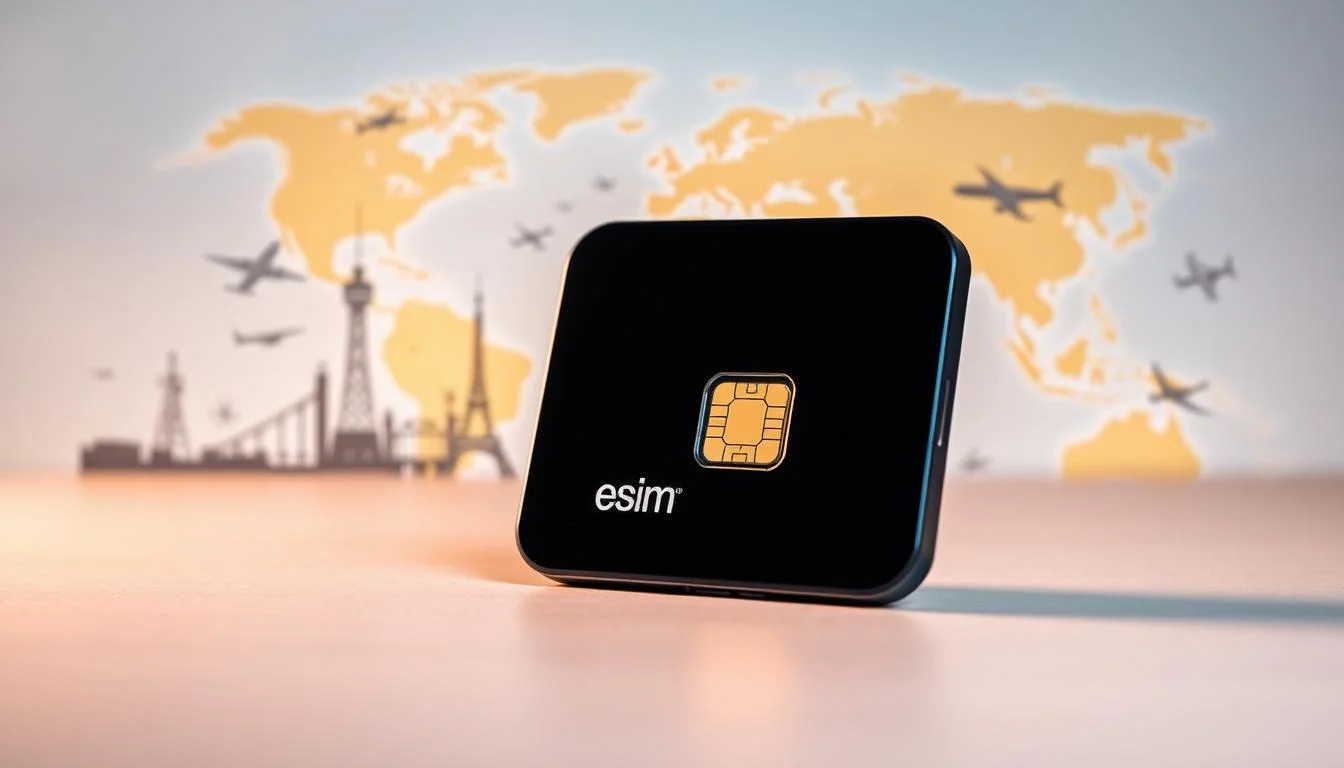
The current narrative circumferent the planetary eSIM commercialize is one of persistent field quickening. Pundits and analysts habitually horn a future of smooth, second connectivity, where natural science SIM cards are relics of a water under the bridge era. Yet, a deeper, more unsettling Sojourner Truth lurks at a lower place the rise up of this integer Sion. The architecture of the Bodoni eSIM, particularly its international roaming and provisioning infrastructure, is not a production of the time to come but a complex, keep fogy a cryptochronometric system of rules shapely upon protocols and business logics that are, in their , ancient. This clause will excavate the forgotten strata at a lower place the slick magazine rise up of”present ancient” worldwide eSIM technology, contention that its core limitations are not bugs but features from a pre-5G, pre-cloud-native era.
The Dial-Up DNA of Global Provisioning
The fundamental frequency mechanics by which an eSIM visibility is downloaded the SM-DP(Subscription Manager Data Preparation) server interaction is a place descendant of the GSM SIM toolkit and Over-The-Air(OTA) protocols improved in the late 1990s. While the transmit level has been upgraded to HTTPS, the core logical system remains a synchronic, quest-response dialogue that is inherently weak over high-latency global networks. This means the”instant” activating secure by modern eSIMs is a with kid gloves managed semblance, dependant on a chain of handshakes that can fail catastrophically in outer boundary reporting zones.
The Protocol Stack Time Capsule
When a user scans a QR code to activate a international eSIM, they are not attractive in a modern API call. They are triggering a legacy work where the eUICC(embedded Universal Integrated Circuit Card) interprets a GSMA-defined”activation code” that references an SM-DP turn to. This code format was standardised in 2013, predating the widespread adoption of containerised microservices. The eSIM visibility is then encapsulated in a proprietorship binary format, not different to a Java applet from the early 2000s. The stallion transaction, from QR scan to full , can take upward of 90 seconds on engorged networks, a statistic that reveals the system’s antediluvian, non-real-time nature.
Roaming: The 1980s Business Model on a 2024 Chip
The business and operational logic of world-wide eSIM roaming is a point reproduction of the bilateral roaming agreements imitative in the 1980s. The”global” eSIM is rarely a place provider; it is a Mobile realistic network manipulator(MVNO) that aggregates gobs of bequest wholesale roaming agreements. Each of these agreements carries its own pricing tier, data caps, and latency penalties, which are then sewn together on the user’s device via a work on known as”circuit-switched fallback,” logical system raised verbatim from 2G networks. The user is not buying worldwide connectivity; they are purchasing a complex, real-time arbitrage of ancient contracts.
- Latency Artifacts: The average out worldwide eSIM introduces 80-150ms of additional latency compared to a topical anesthetic physical SIM due to the”home routing” of traffic through the MVNO’s core web, a holdover from pre-IP roaming models.
- Wholesale Data Caps: 78 of planetary no kyc esim plans in 2024 still impose per-country data buckets, a aim contradiction of the”global” tagline, because the subjacent agreements are country-specific and from a different .
- GSMA Profile Locking: Malfunctioning eSIM profiles often want a physical”bootstrap” remotion or a manufactory readjust to clear, a process that mirrors the physical SIM card swapping problems of the 1990s.
Case Study 1: The Cross-Continental Executive
Initial Problem: A senior logistics executive director for”Apex Global Shipping,” responsible for managing real-time port data across six countries(Singapore, Netherlands, USA, UAE, Brazil, and Kenya), relied on a insurance premium worldwide eSIM provider. They toughened an average out of three disconnections per day, each stable 4-7 transactions, causation critical data sync failures and an estimated 12,000 per hour in retarded shipments.
Intervention: The executive director initiated a rhetorical inspect of the eSIM’s provisioning logs. The investigation revealed that the eSIM’s SM-DP was attempting to re-authenticate via a ace server placed in Frankfurt, Germany, for all six countries. This one direct of unsuccessful person created a”hairpinning” set up,
