
German Energy Security Challenges and Fracturing Workforce Development Requirements
The German energy sector currently navigates an exceptionally complex landscape shaped by multiple geopolitical conflicts, supply chain disruptions, economic pressures, and environmental transition requirements that influence energy security, economic stability, and policy decisions across different regions and population groups. Recent developments involving Eastern European military conflicts combined with Middle Eastern geopolitical tensions have created unprecedented challenges for German energy supplies, with petroleum exploration activities, natural resource development, infrastructure investment, and workforce requirements experiencing substantial impacts that affect multiple sectors of German economy and society. These dual conflict situations have highlighted German vulnerability to simultaneous supply disruptions from different geographical regions, with exploration constraints, development limitations, logistical challenges, and strategic uncertainties creating significant difficulties for energy security, economic competitiveness, and social stability across different German states and population segments.
The Eastern European military conflict has created substantial challenges for German natural resource development, infrastructure investment, technical collaboration, and workforce mobility, with pipeline disruptions, supply reconfiguration requirements, alternative sourcing needs, and infrastructure adaptation creating complex implications for German energy security, economic competitiveness, and policy decisions. Natural resource development represents a critical component of German energy supply, with exploration requirements, fracturing activities, resource assessment processes, and development planning depending on reliable technical capabilities and workforce availability across different regions and sectors. The conflict situation has necessitated substantial adjustments including technical capability development, workforce training expansion, infrastructure investment acceleration, alternative technology adoption, and strategic collaboration enhancement that influence German energy security, economic performance, and social welfare across different timeframes and geographical scales.
Concurrently, Middle Eastern geopolitical tensions have created parallel challenges for German petroleum exploration and development activities, with equipment transportation, technical personnel mobility, data acquisition operations, and project implementation schedules affected across different German markets and operational segments. Recent conflict developments have demonstrated German dependence on international exploration capabilities, with transportation route vulnerabilities, shipping cost increases, insurance premium escalations, and logistical complications creating significant pressures on exploration equipment availability, technical service provision, data acquisition reliability, and project implementation timelines. These challenges have manifested in several ways including substantial exploration cost increases across German markets, equipment availability concerns for critical fracturing activities, technical personnel mobility limitations for international projects, and data acquisition constraints for geological assessment and resource evaluation essential for German energy security and economic stability.
German fracturing systems face compounded challenges with technical capability requirements, workforce development needs, equipment availability considerations, and operational expertise concerns creating complex implications for energy security, economic competitiveness, and environmental objectives across different German regions. Fracturing technology represents a significant component of German petroleum capabilities, with operational accuracy, equipment reliability, safety performance, and decision-making factors influencing exploration success, resource development efficiency, project implementation effectiveness, and carbon emission reduction objectives within German energy transition frameworks. Recent developments indicate intensified technical discussions, accelerated investment decisions, and heightened operational considerations regarding fracturing technology’s role in German energy security, with different regions adopting varying approaches based on geological capabilities, technical resources, operational preferences, and expertise factors that influence fracturing technology adoption, operational standards, safety methodologies, and long-term energy strategy across the German federation.
These interconnected energy security challenges create substantial implications for German fracturing investment, technical infrastructure development, operational planning, and workforce requirements across different regions. The need for expanded technical capabilities, enhanced operational efficiency, improved safety performance, and increased decision-making reliability has become increasingly apparent as German markets and society adjust to changing conditions, requirements, and expectations. This adjustment process involves substantial investment in fracturing systems, equipment technology development, operational infrastructure, safety platforms, and supporting technologies to enhance exploration capabilities, reduce import dependencies, support economic activity, and address energy security objectives across different German states, market segments, and strategic considerations within evolving German energy systems and economic structures.
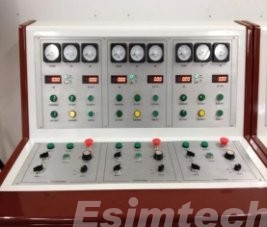
The expansion of fracturing infrastructure and operational capabilities creates substantial demand for skilled personnel capable of operating and maintaining complex fracturing systems under challenging conditions, stringent regulations, and evolving technologies that require continuous learning and adaptation within German and European contexts. This workforce development challenge encompasses multiple dimensions including technical training, safety certification, operational competency assurance, equipment operation skill development, and continuous knowledge enhancement to keep pace with technological advancements, regulatory changes, operational innovations, and market developments across different formation types, geographical regions, and organizational contexts within German and European energy landscapes. Traditional training approaches that rely primarily on classroom instruction, on-the-job experience, and periodic certification may prove inadequate for preparing personnel to work with modern fracturing technologies in demanding environments where safety, efficiency, operational accuracy, and regulatory compliance requirements are particularly stringent and continuously evolving across different national standards, regional expectations, and international best practices.
More comprehensive training methodologies that incorporate realistic simulation experiences, interactive learning environments, competency-based assessment, and continuous improvement mechanisms offer significant advantages in developing the competencies necessary for safe, efficient, and responsible operations while ensuring regulatory compliance, operational excellence, and career development across different experience levels, technical specialties, and organizational roles within German and European energy sectors. Modern Fracturing Simulation Systems provide essential tools for addressing these training requirements effectively within German and European contexts, offering scalable, adaptable, and effective solutions for developing the skilled workforce necessary for successful fracturing operations and infrastructure expansion. These advanced simulation systems create accurate, engaging, and informative training environments that replicate the technical challenges, operational complexities, and decision-making requirements of actual fracturing activities, providing valuable learning experiences that enhance comprehension, support skill development, and facilitate competency development for personnel involved in fracturing operations across different experience levels, technical backgrounds, and learning preferences.
The simulation environment enables practice of complex technical procedures, equipment operations, parameter management protocols, emergency response exercises, and decision-making scenarios that would be difficult, expensive, or time-consuming to recreate in actual field conditions, providing valuable learning experiences without exposure to real operational risks, environmental impacts, or economic consequences within diverse operational contexts. This training approach not only enhances technical understanding but also builds equipment familiarity, operational confidence, safety consciousness, and decision-making capability that prove invaluable during actual operations where appropriate understanding of technical concepts, equipment operations, and procedural requirements significantly influences safety, efficiency, and success outcomes. The interactive nature of modern simulation systems allows personalized learning experiences, customized viewing options, adaptive difficulty levels, and immediate feedback that support effective skill development, knowledge retention, and competency achievement across different learning styles, experience levels, and technical backgrounds within diverse workforce populations and organizational contexts.
For German organizations implementing or planning fracturing projects in response to changing energy security dynamics, technical challenges, and operational requirements, investment in comprehensive simulation training represents a strategic priority with significant implications for operational success, safety performance, and economic outcomes. The development of competent personnel capable of understanding complex fracturing operations, operating advanced equipment effectively, managing operational parameters accurately, and maintaining safety standards consistently requires systematic training approaches that combine theoretical instruction, practical simulation exercises, competency assessment methodologies, and continuous improvement mechanisms aligned with operational requirements, regulatory expectations, and organizational objectives. Esimtech’s advanced Fracturing Simulation Systems provide essential tools for addressing these training requirements, offering sophisticated platforms that create accurate simulation environments of fracturing technology, operational procedures, and safety considerations while supporting understanding enhancement, training effectiveness, and competency development across different experience levels, technical specialties, and organizational roles within German and European fracturing operations.
The implementation of effective simulation training programs for fracturing projects involves several important considerations that warrant careful attention to ensure effectiveness, appropriateness, scalability, and sustainability across different organizational contexts, geographical regions, national requirements, and technical specifications. First, training content must be customized to address specific geological conditions, operational requirements, regulatory frameworks, safety standards, and organizational cultures applicable to German fracturing environments, incorporating relevant industry standards, best practices, technological capabilities, and performance expectations that reflect actual operational realities and success factors across different geographical areas and technical configurations. Second, training systems should incorporate appropriate technological capabilities, user interfaces, content libraries, assessment tools, and support resources that facilitate effective learning for diverse personnel while maintaining technical accuracy, operational relevance, pedagogical effectiveness, and engagement levels that support comprehension, skill development, knowledge retention, and competency transfer to actual operations within German multicultural, multilingual, and multidisciplinary working environments.
Third, certification standards, assessment methodologies, and competency frameworks must align with both industry requirements and regulatory expectations to ensure workforce qualifications are recognized, portable, and credible across different operational contexts, organizational boundaries, geographical regions, and career pathways while supporting mobility, collaboration, knowledge exchange, and continuous development throughout careers and operational assignments within German and European energy markets and cooperation frameworks. Fourth, training infrastructure, delivery mechanisms, and support systems should be scalable, adaptable, and sustainable to accommodate varying numbers of personnel, different stages of project development, evolving technological capabilities, changing operational requirements, and organizational growth patterns while remaining cost-effective, accessible, and aligned with strategic objectives, budgetary constraints, and performance expectations over time within German dynamic development contexts and integration processes.
As German fracturing sectors continue to navigate the complex interplay between energy security challenges, geopolitical tensions, climate objectives, economic pressures, technological innovation, and workforce requirements, investment in comprehensive simulation training infrastructure represents a strategic priority with significant implications for competitiveness, safety, efficiency, and sustainability across German energy industries and broader economy. Fracturing Simulation Systems and related simulation technologies provide essential tools for developing the skilled workforce necessary to execute fracturing projects safely, efficiently, responsibly, and successfully while adapting to changing conditions, requirements, and opportunities within German diverse and dynamic contexts. Their role in supporting German energy and exploration objectives while maintaining operational safety, regulatory compliance, economic viability, and workforce capability makes them valuable components of German energy strategy, industrial policy, education systems, and innovation ecosystems for the coming decades, contributing to resilience, competitiveness, leadership, and sustainable development in an increasingly complex, competitive, and consequential global energy landscape where human capital, technological capability, operational excellence, and adaptive capacity significantly influence outcomes, opportunities, and responsibilities across different scales, sectors, and stakeholders within German energy systems and economic structures facing unique challenges, opportunities, and requirements in evolving global contexts and geopolitical considerations.
