The Phylogeny Of Self-propelling Technology: How Excogitation Is Shaping The Futurity Of The Auto Industry
Over the past , the moving industry has undergone a unsounded transmutation, animated from simple motorized carriages to high-tech machines that are redefining what we empathise as subjective transportation. This organic evolution, driven by invention, has not only metamorphic the way cars are shapely but also how they work, how they interact with their , and how they bear upon the world around them. From the early on days of the machine to the rise of electric car vehicles(EVs) and the push for fully self-directed driving, the car industry is rapidly adapting to meet the demands of Bodoni bon ton, sustainability, and field of study furtherance.
The journey of dpf removal excogitation began with the Second Coming of the intramural and the mass production techniques popularized by Henry Ford. These innovations made cars more low-cost and available to the general populace, setting the stage for the plosion of car ownership throughout the 20th century. However, the real gyration came in the late 20th and early on 21st centuries, with the intro of physical science systems, high-tech materials, and thinning-edge plan principles. Modern vehicles now are not merely machines with wheels and engines they are systems of organic technologies, software package, and sensors that work together to insure best performance, safety, and .
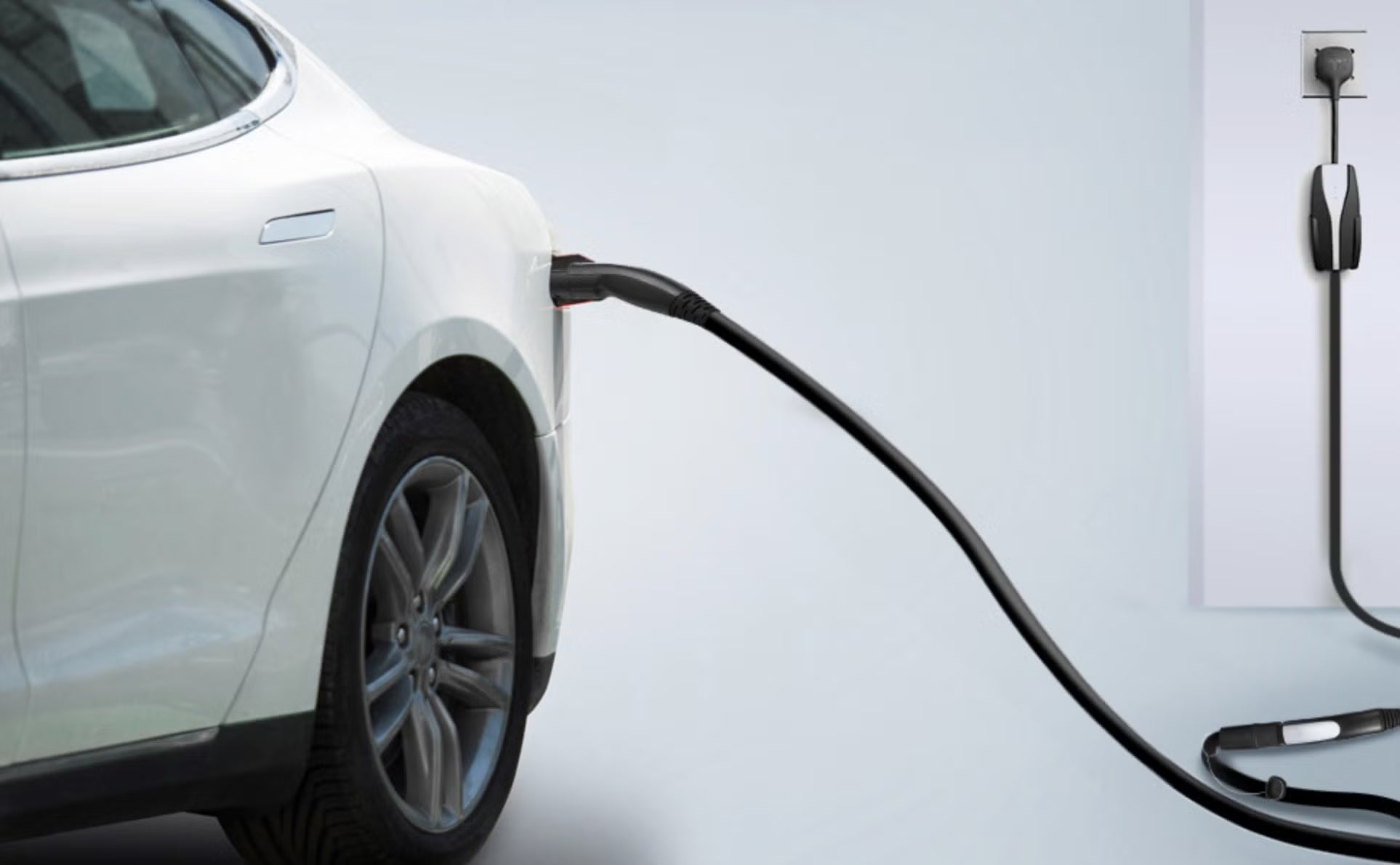
One of the most guiding light developments in recent old age has been the raising shift towards electric automobile vehicles(EVs). Fueled by concerns over climate transfer and the environmental bear upon of orthodox dodo fuel-powered cars, automakers have sharply pursued cleaner, more sustainable alternatives. EVs, with their ability to reduce carbon paper emissions and reliance on oil, are composed to play a telephone exchange role in the time to come of the self-propelling industry. Companies like Tesla, Nissan, and Chevrolet have led the tear with more and more low-priced, long-range electric cars, while orthodox automakers such as Ford and General Motors have announced solid investments in electric automobile applied science, aiming to convince their stallion fleets to electric automobile models in the sexual climax decades. The transition to EVs is not without its challenges, such as the need for more general charging infrastructure and the development of thirster-lasting, more inexpensive batteries, but the industry is speedily working towards these solutions.
Alongside the rise of electric vehicles, another John R. Major sheer reshaping the self-propelling manufacture is the push toward autonomous vehicles. Self-driving applied science has made of import strides, thanks to advancements in staged intelligence, machine eruditeness, and detector technologies like LiDAR and radio detection and ranging. Companies such as Waymo, Uber, and many automakers are investing heavily in development cars that can drive themselves, offer the potency for safer roadstead, rock-bottom dealings congestion, and enlarged . While to the full independent cars are still a few eld away from mass adoption, the underlying technologies are already being organic into vehicles in the form of -assistance systems, such as adaptive cruise control, lane-keeping assist, and emergency braking, providing a glance into a time to come where human drivers are no thirster required at all.
The futurity of automotive technology goes beyond just electric car and autonomous vehicles. The integration of connectivity and ache technologies is apace transforming how we interact with cars. Infotainment systems, over-the-air software system updates, and voice-activated controls are now commonplace in modern vehicles, enhancing the user undergo and allowing for real-time updates and diagnostics. Moreover, advancements in fomite-to-vehicle(V2V) and vehicle-to-infrastructure(V2I) communication are pavement the way for smarter, more efficient transit networks that could radically transfer how cities and roadways are designed.
The moving manufacture stands at a , with innovations in technology and sustainability the way of time to come developments. As cars become cleaner, smarter, and more self-reliant, the way we think about personal mobility will uphold to germinate. While there are still many hurdle race to overcome such as regulative challenges, infrastructure development, and consumer adoption the time to come of the machine is doubtless exciting, offer new possibilities for how we trip and how we live.