
Energy Storage and the Transition to Clean Power: Challenges and Opportunities
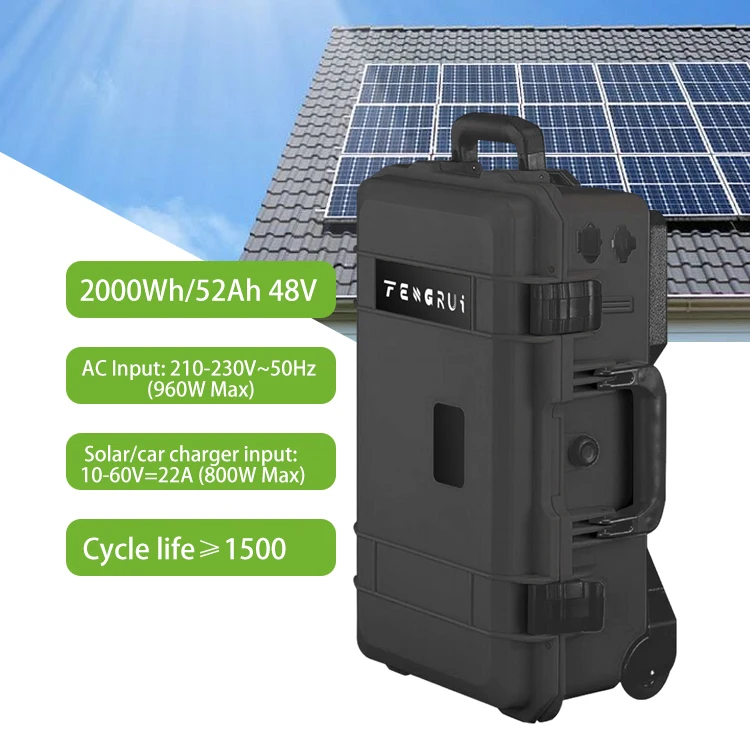
As the world increasingly turns to renewable energy sources like solar and wind to combat climate change, the need for efficient energy storage has become more critical than ever. Renewable energy, by nature, is intermittent—it doesn’t generate power continuously. The sun doesn’t shine 24/7, and wind doesn’t blow consistently. As a result, integrating these renewable sources into the power grid requires reliable home energy storage system to ensure a stable and resilient energy supply. However, while the potential benefits of energy storage are vast, several challenges must be addressed before it can play a central role in the clean energy transition.
The Role of Energy Storage in Clean Power
Energy storage refers to technologies that capture energy produced at one time for use at a later time. This can take many forms, from traditional methods like pumped hydro storage to more modern solutions such as lithium-ion batteries, flow batteries, and even innovative technologies like hydrogen storage. By storing excess energy generated during peak production periods (such as sunny days or windy afternoons), energy storage systems can discharge this energy when production drops or demand spikes, ensuring a continuous power supply. This flexibility is essential for integrating high levels of renewable energy into the grid, which often experiences fluctuations in generation.
Energy storage can also provide ancillary services, like frequency regulation and voltage support, to help maintain grid stability, further supporting the integration of renewable sources. Additionally, large-scale energy storage systems can serve as a backup for power outages, making them an attractive investment in grid resilience.
Challenges to Overcome
Despite its promise, the widespread adoption of energy storage faces several challenges. One of the most significant hurdles is cost. While the cost of energy storage technology, particularly batteries, has dropped significantly over the past decade, it still remains expensive, especially for large-scale applications. The upfront costs of installation and maintenance can be prohibitive for some utilities and companies, especially when competing with cheaper, traditional energy sources like natural gas.
Another challenge is technological limitations. While lithium-ion batteries are currently the most popular energy storage technology, they are not without their drawbacks. They have limited capacity, which means that they can only store so much energy before needing to be recharged. Additionally, they degrade over time, losing efficiency and storage capacity with each charge cycle. For long-duration storage—necessary for balancing seasonal fluctuations in renewable energy generation—new technologies like solid-state batteries, flow batteries, and even hydrogen storage are still in early stages of development.
Regulatory and policy frameworks also present challenges. Energy storage is still a relatively new technology in many regions, and existing regulations often don’t account for its capabilities or potential. In many cases, the business models and incentives that support the deployment of storage technologies are underdeveloped. Governments and utilities will need to establish clearer policies and incentives to encourage investment in energy storage infrastructure.
Opportunities for Growth
Despite these challenges, there are significant opportunities in the energy storage sector. Technological innovation is advancing rapidly, and breakthroughs in battery chemistry, energy efficiency, and storage capacity could unlock new opportunities for energy storage solutions. For instance, advancements in solid-state batteries promise to deliver higher energy densities and longer lifespans, which could dramatically improve the economics of storage.
Furthermore, the increasing emphasis on decarbonizing the grid presents a favorable environment for energy storage. Governments around the world are implementing more ambitious climate targets, and energy storage will play a pivotal role in achieving these goals. The demand for clean, reliable energy storage solutions is expected to grow as renewable energy deployment increases and the need for grid modernization intensifies.
The rise of decentralized energy systems also presents opportunities for energy storage. With more consumers adopting solar panels and electric vehicles, home energy storage systems are becoming more common, allowing individuals to store energy locally and reduce reliance on the grid. This could further drive demand for storage solutions, creating new markets and business models.
Conclusion
Energy storage is a key enabler of the clean energy transition. While there are challenges related to cost, technology, and regulation, the opportunities for growth are immense. As innovation continues and investments in storage technologies increase, energy storage will become an indispensable part of the global shift toward a more sustainable, low-carbon future. Through collaboration between governments, industries, and consumers, the potential of energy storage can be fully realized, ensuring a reliable and resilient energy grid that can support a cleaner, greener world.