
Heavy Machinery Maintenance: Best Practices for Prolonging the Life of Your Equipment
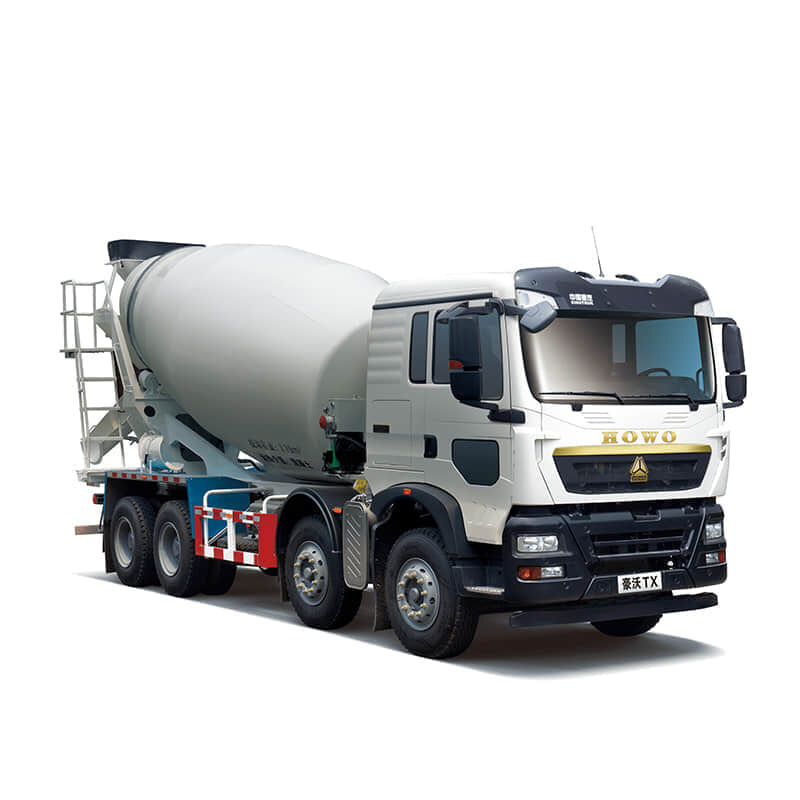
In industries that rely on heavy machinery, such as construction, mining, and manufacturing, equipment downtime can be costly and disruptive. Heavy machinery is often the backbone of operations, and its performance directly impacts productivity, safety, and profitability. As such, regular maintenance and proper care are essential for ensuring that machines run smoothly and efficiently for as long as possible. Prolonging the life of heavy machinery requires a combination of proactive maintenance practices, routine inspections, and skilled technicians. By adopting the right strategies, companies can avoid costly repairs, reduce downtime, and maximize the return on their equipment investment.
One of the most fundamental aspects of Wheel Loader maintenance is following the manufacturer’s recommended maintenance schedule. Every machine comes with an owner's manual that includes detailed guidelines on maintenance intervals, recommended lubricants, and operational limits. Adhering to these guidelines ensures that the machinery is kept in peak condition. Regular oil changes, air filter replacements, and coolant checks help keep engines running smoothly and prevent overheating or internal wear. Ignoring these recommended practices can lead to premature failure and costly repairs, so staying on schedule is essential.
Preventive maintenance is another critical practice that can extend the lifespan of heavy machinery. By routinely inspecting equipment for potential issues, operators can identify and address problems before they become major failures. For instance, checking hydraulic hoses, belts, and bearings regularly can prevent leaks, fraying, or breakage that may lead to machinery breakdowns. Likewise, ensuring that all fluid levels, such as fuel, hydraulic oil, and transmission fluid, are topped off can help avoid overheating and other operational issues. Regular maintenance should also include cleaning the equipment to remove dirt, dust, and debris that can cause friction and wear on critical parts.
Proper operator training is also a key element in extending the life of heavy machinery. Even the most well-maintained machines can suffer from premature wear and tear if they are not operated correctly. Operators should be trained to understand the limits of the equipment and avoid overloading or stressing the machinery. This includes following proper startup and shutdown procedures, avoiding excessive speeds, and using machines for their intended purposes. By practicing good operational habits, operators can significantly reduce the risk of damaging the equipment.
Additionally, investing in high-quality replacement parts and lubricants can greatly improve the longevity of heavy machinery. Genuine parts are designed specifically for the machine, ensuring optimal performance and compatibility. Using aftermarket or inferior parts may save money in the short term but can lead to frequent breakdowns and reduced efficiency. Similarly, high-quality lubricants and oils reduce friction and wear, allowing the machinery to operate more smoothly and efficiently. Using the recommended lubricants as per the manufacturer's guidelines can prevent unnecessary damage and extend the lifespan of key components.
Another important aspect of heavy machinery maintenance is the monitoring of machine performance. Technological advancements have made it easier to track equipment conditions in real-time. Many modern machines come with built-in sensors that monitor various parameters such as engine temperature, oil pressure, and fuel efficiency. By using these sensors and telematics systems, operators and managers can detect early signs of trouble and address them promptly. This data-driven approach helps reduce the risk of unexpected failures and ensures that maintenance is performed at the optimal time.
In conclusion, maintaining heavy machinery is a proactive and ongoing process that requires attention to detail, proper training, and the use of quality components. Following the manufacturer’s guidelines, performing regular preventive maintenance, and training operators are all vital practices for ensuring that equipment continues to function efficiently over its lifespan. By adopting these best practices, businesses can reduce operational disruptions, lower maintenance costs, and maximize the value of their heavy machinery investments. With the right approach, heavy equipment can remain reliable, safe, and productive for years to come.
